
Siblings Against the Household
The Greatest Beer Run Ever: A Memoir of Friendship, Loyalty, and WarThe siblings move from shared vulnerability to deliberate solidarity against their father’s control.
increasing Bearing strength in each event
 decreasing
Bearing strength in each eventdecreasingA Family Reassembled
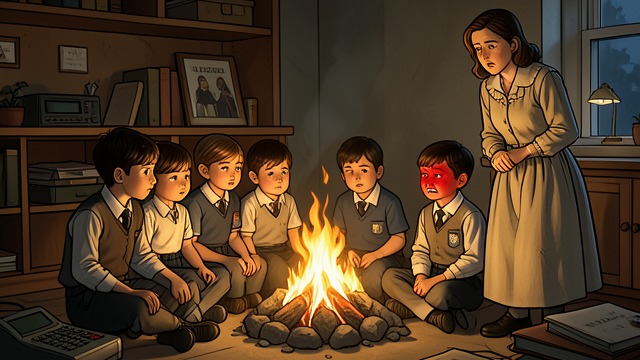
A Family Reassembled
Life at Corramahon
The children reunite with Susan at the new home and recover a daily family rhythm. School walks and evenings by the fire briefly make the household whole.
An Unstable Peace
Francis (Frank) McGahern’s rages interrupt this happiness. The children learn that ordinary security can be withdrawn without warning.
Loss and Disarray
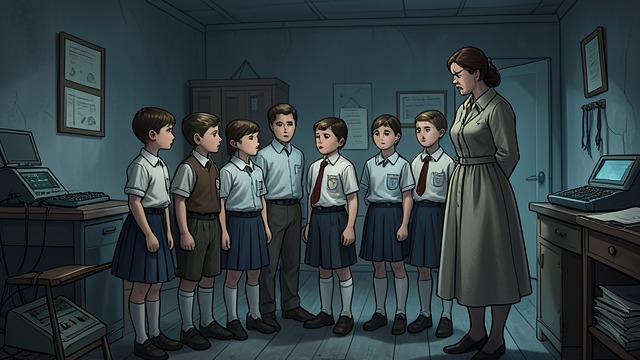
Loss and Disarray
No Shared Explanation
After their mother dies, the children are left in the barracks under their father’s rule. Each reacts differently, and they have no reliable adult to help them understand the loss.
Vulnerability at Home
Beatings and scolding become ordinary features of their lives. Their early disarray makes the need for mutual protection increasingly clear.
A Protective Band
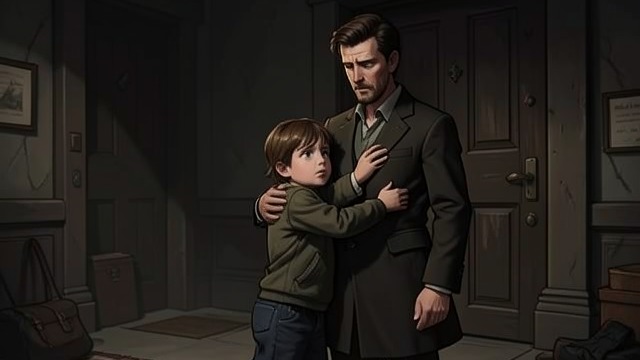
A Protective Band
Learning His Moods
The siblings watch their father closely and warn one another when danger is near. They comfort whoever has been beaten rather than competing for his favor.
Solidarity as Defense
Their closeness makes the violence less isolating. Shared understanding slowly becomes a practical barrier against their father’s attempts to divide them.
The Household Concerts
The Household Concerts
Imitating the Father
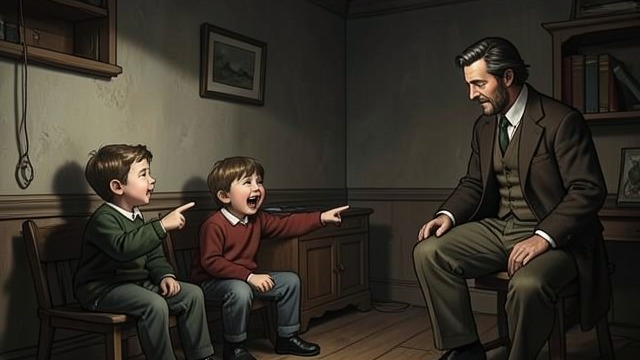
When they believe their father is away, the children perform comic versions of his complaints and threats. Their play turns fear into shared satire.
A Quiet Reversal
Once Francis finds them performing, they freeze rather than scatter. The improvised concerts do not end his power, but they let the children reclaim some control.
Protection Becomes Lasting

Protection Becomes Lasting
Separate Lives
The siblings leave home for nursing, education, and civil-service work. Their childhood closeness survives distance and different paths.
A Durable Family
They remain connected without losing their individual lives. The narrator sees their bond as one of the lasting forms of good fortune produced by hardship.
after Susan’s first return from hospital
after Susan’s death in 1944
the years after the funeral
during the children’s adolescence
adulthood
